
An undercounter ice maker can make daily drinks, home entertaining, café service, and office break rooms much more convenient. But like any appliance that uses water regularly, it needs proper cleaning and maintenance.
Clean ice does not happen by accident.
Water quality, storage bin cleanliness, airflow, drainage, and routine maintenance can all affect how your ice looks, tastes, and smells. If an ice maker is not cleaned regularly, ice may become cloudy, develop odors, or lose its fresh appearance.
The good news is that basic maintenance does not have to be complicated.
With a simple cleaning routine, you can help your undercounter ice maker produce better ice and work more reliably over time.
Why Ice Maker Cleaning Matters
Ice is used directly in drinks, so cleanliness matters.
If the water system, ice storage bin, or interior surfaces are not cleaned regularly, mineral buildup, dust, residue, and odors can affect the ice. This is especially important for home bars, small cafés, offices, restaurants, and shared spaces where the ice maker is used often.
Regular cleaning can help:
- Keep ice tasting fresh
- Reduce unwanted odors
- Support clearer ice cubes
- Prevent mineral buildup
- Improve daily performance
- Make the storage bin more hygienic
- Extend the useful life of the machine
Cleaning is not only about appearance. It is also about making sure the ice maker remains practical for everyday use.
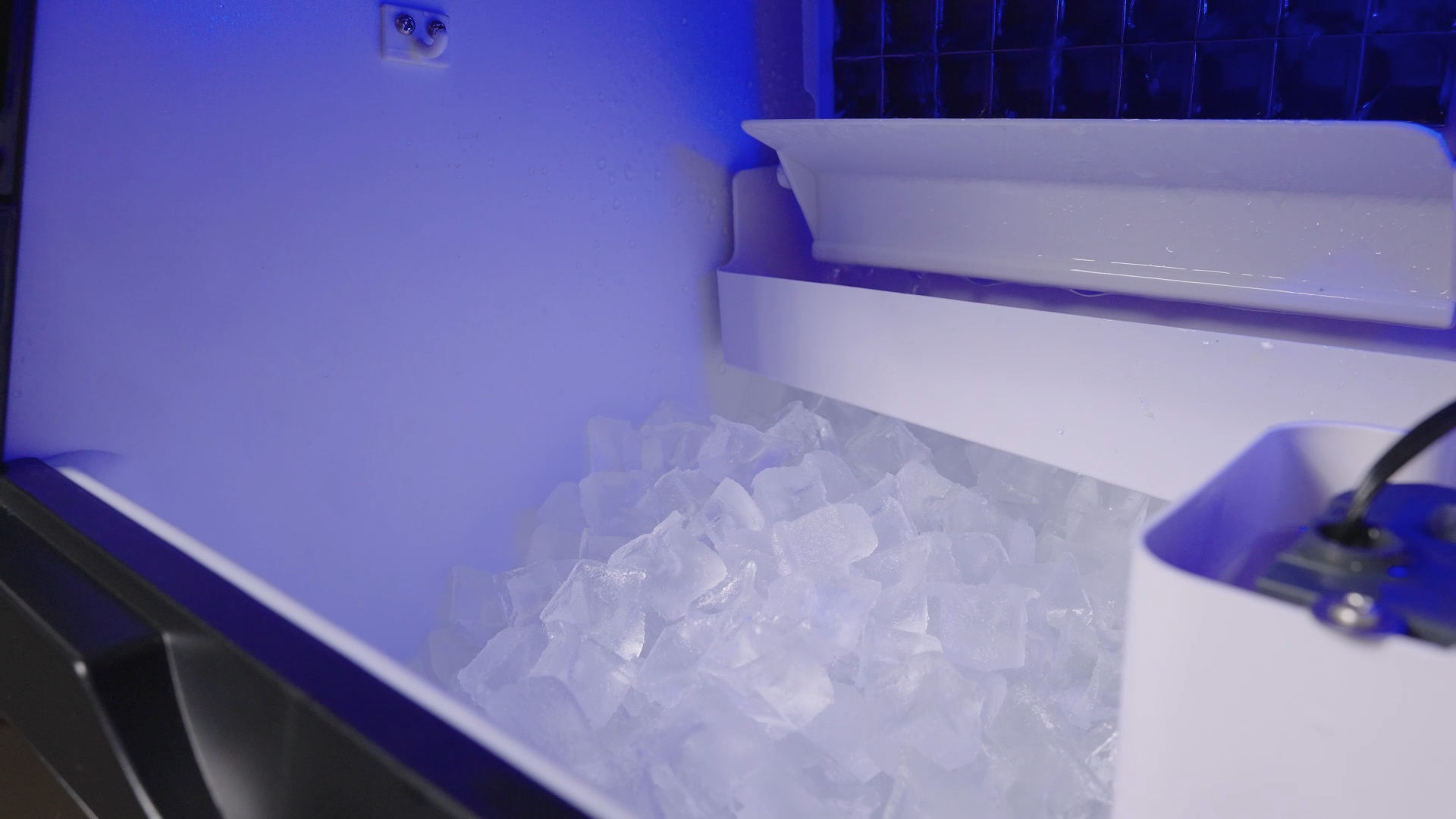
How Often Should You Clean an Undercounter Ice Maker?
Cleaning frequency depends on how often the machine is used and the quality of your local water.
For light home use, a basic cleaning routine every few weeks may be enough. For daily use in a café, office, bar, or restaurant, cleaning should happen more often.
A practical routine may include:
- Wiping exterior surfaces regularly
- Emptying and wiping the ice storage bin as needed
- Checking for odors or residue weekly
- Running a cleaning cycle on a regular schedule
- Deep cleaning more often in hard water areas
If your area has hard water, mineral buildup may appear faster. In that case, filtered water and more frequent cleaning can help improve ice quality.
Always check your product manual for model-specific cleaning instructions before starting.
Signs Your Ice Maker Needs Cleaning
Sometimes the machine will show clear signs that it needs attention.
Common signs include:
- Ice smells unusual
- Ice tastes stale or off
- Ice cubes look cloudy
- Ice production becomes slower
- The storage bin feels sticky or dirty
- White mineral scale appears inside the machine
- Water drainage seems slow
- The machine makes more noise than usual
If you notice any of these issues, it is a good idea to clean the ice maker before continuing regular use.
Ignoring small problems can make maintenance harder later.
Basic Cleaning Steps for an Undercounter Ice Maker
Different models may have different cleaning requirements, so always follow the manufacturer’s instructions first. However, the general cleaning process is usually similar.
1. Turn Off the Ice Maker
Before cleaning, turn off the machine and unplug it if required by the manual.
This helps keep the cleaning process safe and prevents the machine from making new ice while you are working.
2. Remove Remaining Ice
Take out any ice left in the storage bin.
Do not use old ice after cleaning begins. It may contain residue from the bin or cleaning process.
3. Wipe the Storage Bin
Use a soft cloth and mild cleaning solution to wipe the inside of the ice storage bin.
Avoid harsh chemicals unless the manufacturer specifically allows them. Strong cleaners may leave odors or residue that affect ice quality.
4. Clean Removable Parts
If the machine has removable parts such as an ice scoop, filter screen, or interior panel, clean them carefully.
Rinse and dry them before putting them back.
5. Run the Cleaning Cycle
If your ice maker has a self-cleaning function, use it according to the manual.
A cleaning cycle helps flush the internal water system and reduce buildup. Some machines may require an approved ice machine cleaner or descaling solution.
6. Rinse Thoroughly
After cleaning, make sure the machine is properly rinsed.
This step is important because leftover cleaning solution can affect the taste and smell of ice.
7. Restart Ice Production
Once the machine is clean, dry, and properly reassembled, restart ice production.
Many users prefer to discard the first batch of ice after cleaning to make sure the system is fully refreshed.
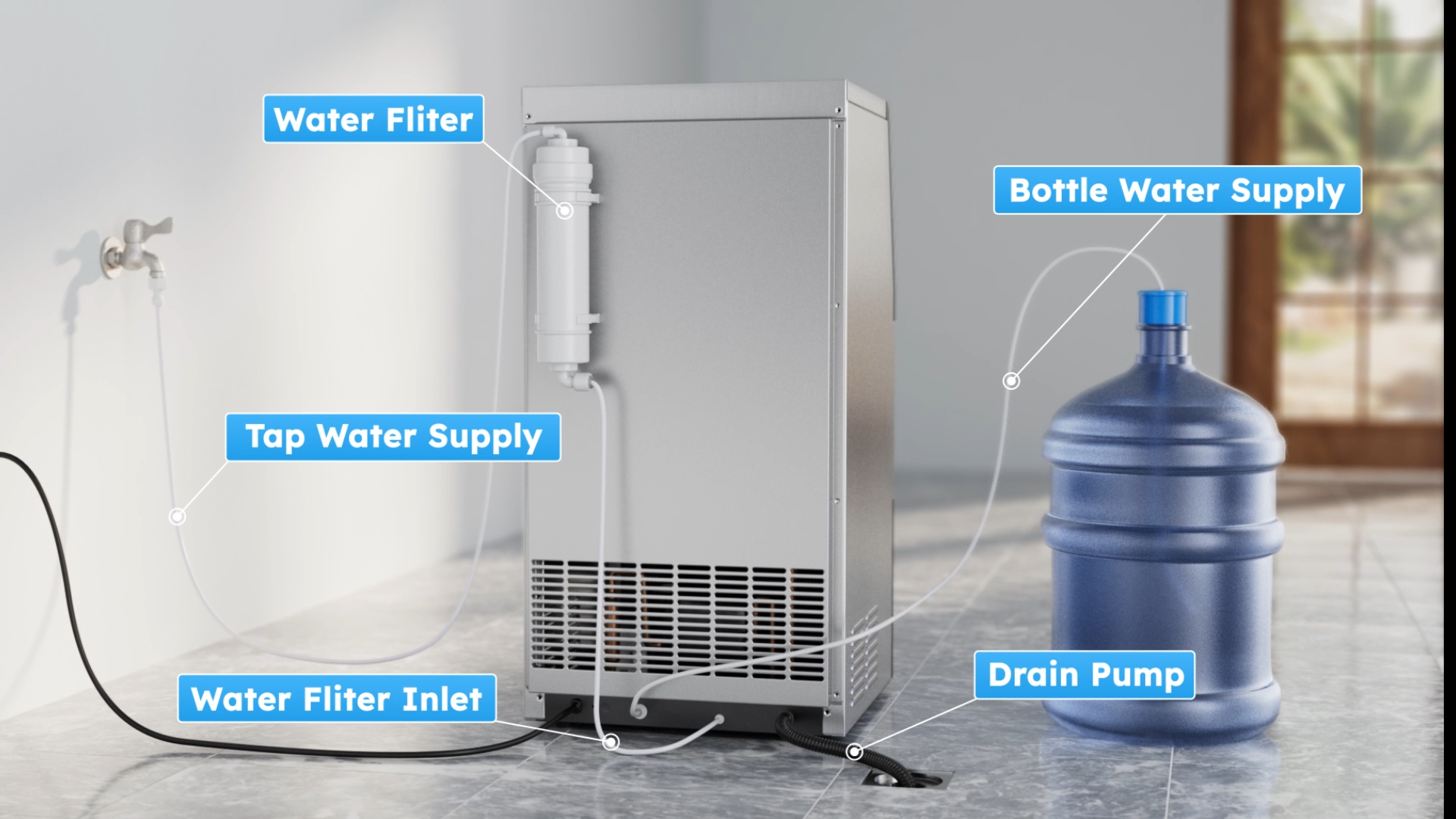
Use Filtered Water When Possible
Water quality has a major impact on ice quality.
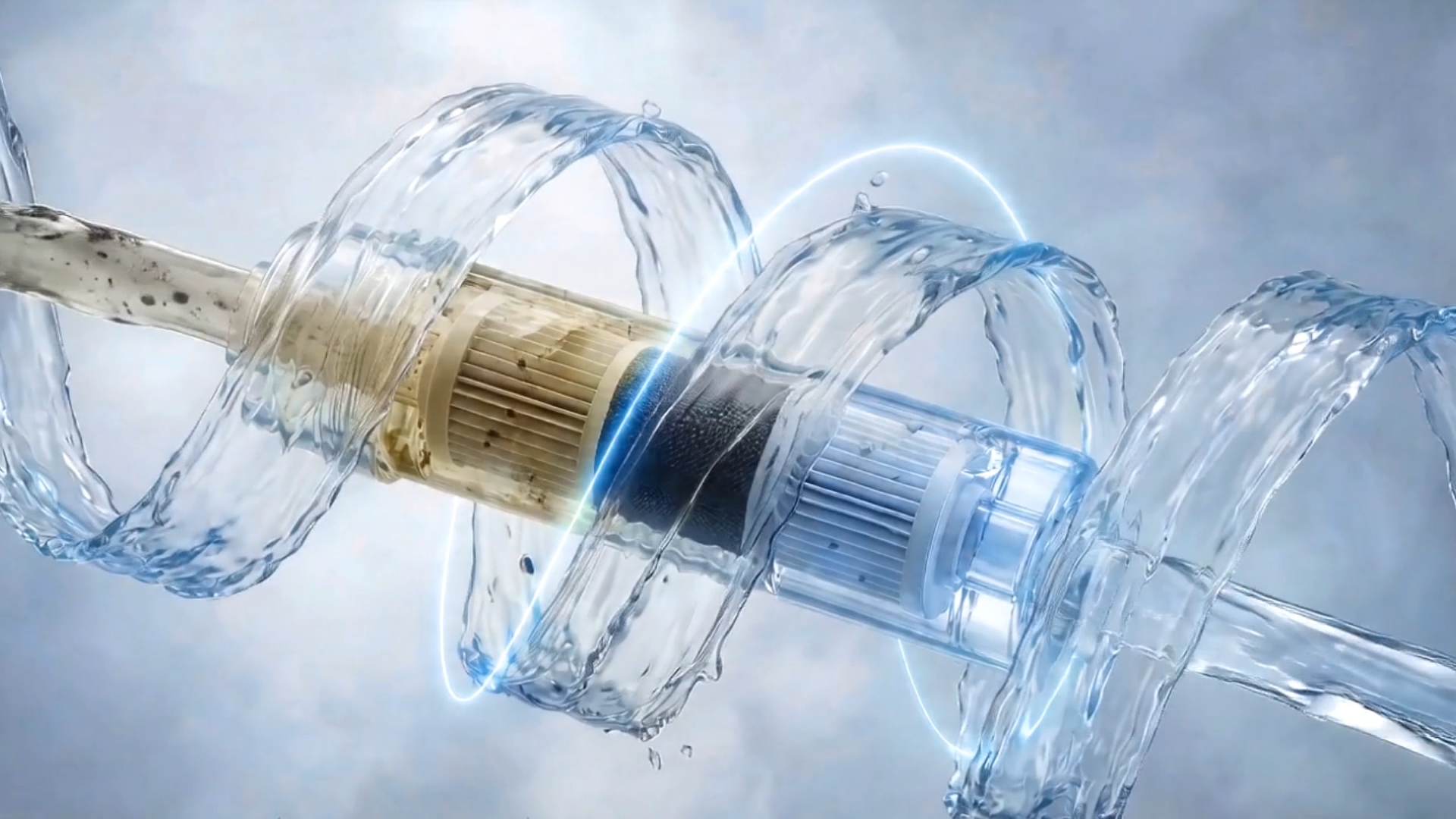
If the water going into the ice maker contains minerals, chlorine, or other impurities, the ice may appear cloudy or taste less fresh. Hard water can also cause scale buildup inside the machine over time.
Using filtered water can help:
- Improve ice clarity
- Reduce odors
- Limit mineral buildup
- Support better machine performance
- Make cleaning easier over time
For clear cube ice, water quality is especially important. Cleaner water often leads to better-looking ice and better-tasting drinks.
If your ice maker is connected to a water line, consider whether a water filter is suitable for your setup.
Do Not Forget the Ice Storage Bin
Many people focus on the ice-making system but forget the storage bin.
The storage bin is where finished ice sits before use. If it is not cleaned regularly, it can collect moisture, residue, dust, and odors.
For daily use spaces such as offices, cafés, bars, and home entertainment rooms, the bin should be checked often.
A clean storage bin helps keep ice fresh after it is made.
It is also a good idea to keep the ice scoop clean and store it properly. Avoid leaving the scoop buried inside the ice for long periods unless the product manual allows it.
Check Drainage and Ventilation
Cleaning is not only about wiping surfaces.
Drainage and ventilation also affect long-term ice maker performance.
If the drain line is blocked or slow, water may not leave the machine properly. This can create moisture problems and may affect ice production.
Ventilation is also important. Ice makers need enough airflow to operate efficiently. If air vents are blocked by cabinets, walls, dust, or stored items, the machine may work harder than necessary.
As part of routine maintenance:
- Check that the drain line is clear
- Keep air vents open
- Remove dust from the surrounding area
- Avoid blocking the front grille
- Make sure the machine has proper clearance
Good placement and regular checks can help the ice maker work more consistently.
Clean the Exterior and Control Panel
The outside of the ice maker matters too, especially in kitchens, cafés, offices, and shared break rooms.
Wipe the exterior regularly with a soft cloth. For stainless steel surfaces, use a cleaner that is suitable for stainless steel if needed.
The control panel should also be kept clean and dry. Avoid spraying water or cleaner directly onto buttons or electronic parts. Instead, apply cleaner to a cloth first and wipe gently.
A clean exterior helps the appliance look better and fit more naturally into home bars, kitchen islands, cafés, and office spaces.
Avoid These Common Cleaning Mistakes
Cleaning an ice maker is not difficult, but a few mistakes can create problems.
Try to avoid:
- Using harsh chemicals not approved by the manufacturer
- Skipping the rinse step
- Leaving old ice in the bin during cleaning
- Ignoring the storage bin
- Blocking ventilation after cleaning
- Forgetting to check drainage
- Using dirty scoops or containers
- Waiting until ice smells bad before cleaning
A regular routine is easier than waiting until the machine shows signs of buildup.
How Mojgar Makes Cleaning Easier
The Mojgar 100 lbs/day Undercounter Commercial Ice Maker is designed for homes, small businesses, offices, cafés, bars, garages, restaurants, and entertainment spaces that need steady ice production.
For users who make ice regularly, easier maintenance is important.
This Mojgar model includes a one-touch self-cleaning function, which helps simplify routine cleaning. It also features an easy-to-use control panel, allowing users to start ice production, adjust ice thickness, and run cleaning functions more conveniently.
Because it produces clear cube ice, regular maintenance and good water quality can help keep the ice looking clean and suitable for iced coffee, cocktails, lemonade, soda, sparkling water, tea, and other cold drinks.
The machine also includes a 33 lb ice storage bin, so keeping the bin clean is an important part of routine care.
For home bars, cafés, offices, and party spaces, these maintenance-friendly features can make daily use more practical.
Maintenance Tips for Better Ice Quality
If you want better ice quality, focus on a few simple habits:
- Use filtered water when possible
- Clean the storage bin regularly
- Keep the scoop clean
- Run the self-cleaning function on schedule
- Check for mineral buildup
- Keep vents clear
- Make sure drainage works properly
- Discard old ice after cleaning
- Follow the manual for approved cleaners
These habits can help your ice maker produce ice that looks better, tastes fresher, and works well for daily drinks and entertaining.
Final Thoughts
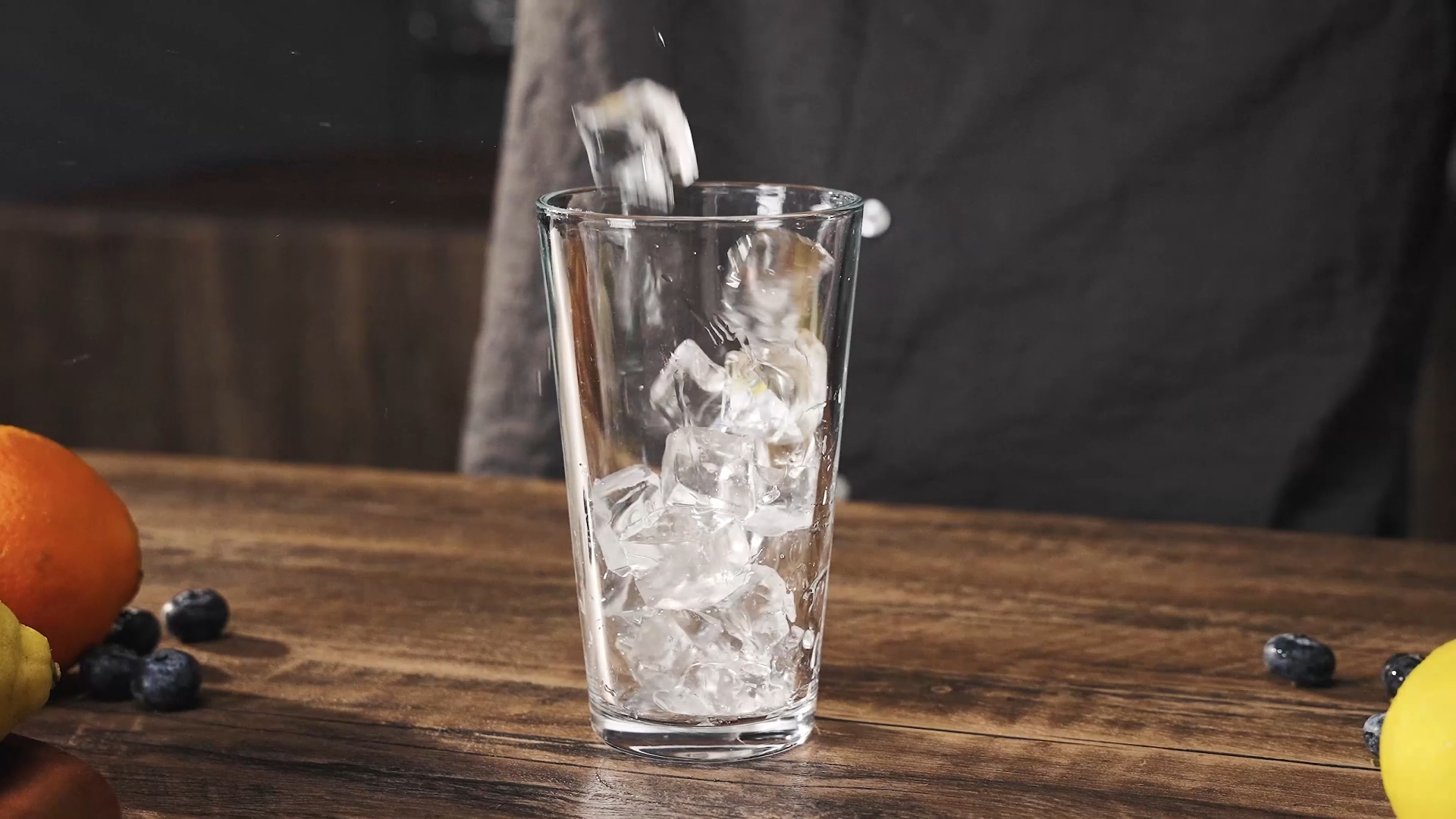
An undercounter ice maker is a useful appliance for homes, cafés, offices, restaurants, and entertainment spaces, but it performs best when it is cleaned and maintained regularly.
Clean water, a clean storage bin, proper drainage, and good ventilation all play a role in ice quality.
If you use your ice maker often, routine cleaning should be part of your appliance care. It can help reduce odors, prevent buildup, support better ice production, and make drinks more enjoyable.
For users who want steady ice production with simpler maintenance, the Mojgar 100 lbs/day Undercounter Commercial Ice Maker offers practical features such as clear cube ice, a 33 lb storage bin, adjustable ice thickness, and one-touch self-cleaning.
Better ice starts with better care.